How to Start a Church Prayer Chain: A Step-by-Step Guide for Small Congregations
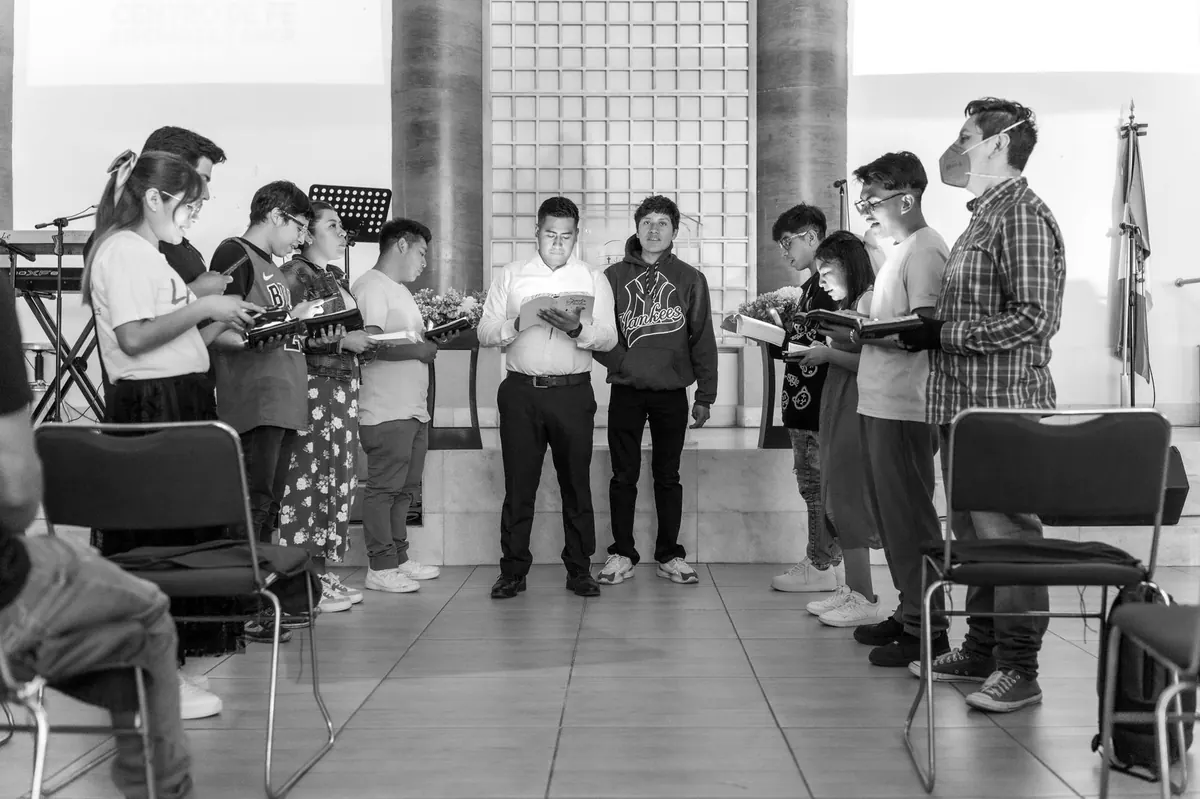
A prayer chain needs no budget, no committee, and no room. It needs a handful of people who will actually pray when the phone buzzes. That is the whole idea, and also the whole difficulty. Plenty of small congregations launch a chain with genuine intentions in January and quietly stop by March. The difference between a chain that lasts and one that fades is rarely spiritual fervor. It is structure. What follows is a workable way to build one for a church of thirty, eighty, or a hundred and twenty.
Decide What the Chain Is For
Before you recruit anyone, answer a few questions in writing. Who can submit a request — members only, or anyone who calls the church office? Who decides whether a request goes out? Who receives it: the whole list, or a rotating group of a few people?
Most small churches do better running two tracks. Urgent requests — a hospital run, an accident, a sudden death — go out the same day to the rotation. Ongoing needs — a long illness, a job search, a struggling adult child — go on a weekly list. Mix them together and the urgent gets buried under the routine.
Then name one coordinator. One person, not a committee. The coordinator receives requests, checks that they can be shared, and sends them out. If two or three people share that job, requests will sit in someone's inbox while everyone assumes someone else handled it.
Recruit With a Specific Ask
Vague invitations produce vague yeses. "Would you be willing to help with the prayer chain sometime?" is easy to accept and easy to ignore. Try instead: "We're putting together a rotation of eight people. Your week would come up about every two months, and you'd get two or three requests on your phone. Can I put you down?"
You do not need everyone. A rotation of eight people who pray beats a list of forty who skim. Aim for six to twelve to start.
Do not overlook members who cannot serve on other committees. Shut-ins, people with health limits, and parents of young children can be full participants here — often the most faithful ones, because praying is something they can do from the chair they are already sitting in.
And say plainly what happens if someone cannot pray their week. The answer should be: tell the coordinator, and it is fine. Guilt is a faster killer of prayer chains than forgetfulness.
Choose One Communication Method
Pick a primary method and one backup, then write it down. If you run three at once, people stop reading all of them.
- Group text thread. Fast, and almost everyone has it. Downside: reply-all chatter. Ask for no replies except a simple acknowledgment, or the thread becomes noise.
- Phone tree. Each person calls the next in line. Works well where many members do not text, but it is slow, and one missed call stalls the whole chain.
- Email. Good for the weekly ongoing list, weak for anything urgent.
- A free group-messaging app. Keeps prayer requests out of personal texts and in one place. Requires everyone to install it, so expect a few holdouts.
- Printed bulletin plus phone calls. The low-tech option: ongoing requests in the bulletin, urgent ones by phone. Nothing to install, nothing to learn.
Build the Rotation and the Handoff
Assign people to weeks. Eight volunteers, eight weeks, then repeat. The coordinator's job is a short loop: receive the request, confirm the person is comfortable with it being shared and at what level of detail, format it, send it to the week's group, and log it.
Prayer request — Thursday, 4:12 p.m. Marta's father has surgery tomorrow at 7 a.m. She asks for steady hands for the surgeon and peace for the family. Please pray when you see this. Not for sharing outside the chain. Update expected Friday evening.
Three things make a request usable: a name (or a deliberate substitute), a specific need, and a time. Timestamps help people know whether a request is still current.
Ask for updates, and send them. A chain that only carries bad news wears people down within a couple of months. When a scan comes back clear, when a job offer arrives, when someone comes home from the hospital — that goes to the same group. Answered prayer is the fuel that keeps the rotation turning.
Write Down Two or Three Rules
Keep it short enough to fit on one card.
- Get permission before including a name. Some people prefer "a family in our church."
- What is shared in the chain stays in the chain.
- One message per request. No side conversations on the thread.
- Urgent needs go out the same day. Ongoing needs wait for the weekly list.
- If you cannot pray your week, say so.
Requests involving medical or financial situations should stay general. The chain is not the place for advice, diagnosis, or money appeals, and families facing those decisions should talk with their doctors and trusted counselors rather than with a group text.
Keeping It Alive After the First Month
The first four weeks run on novelty. Week five is where chains die, usually without anyone deciding to end them. A few habits prevent that.
Reconfirm the schedule monthly with a one-line message: "You're on for the week of the 14th — still good?" Rotate the coordinator every few months, or at least give that person a break. Add one or two volunteers each quarter, because people move, get sick, and get busy. Check in with your pray-ers and ask whether the volume is too much; ten messages a day will get a thread muted, and muted threads rarely get unmuted.
Send an answered-prayer note at least once a month, even a small one. And let the chain stay small if that is what it is. Twelve people praying specifically for one another is not a weak version of a bigger ministry. It is the ministry.
Start This Sunday
Announce it briefly from the front, take names after the service, and hand each volunteer a card with the coordinator's number and the rotation dates. Do not wait for a full roster before you begin. Send the first request two weeks from now, even if only five people signed up.
Then treat it like any other ministry in the life of the church: check on it, adjust it, and thank the people doing it. A prayer chain teaches a congregation to carry each other's burdens in the most ordinary way possible — one message, one week, one name at a time.
Photo: Israel Torres / Pexels