Small Groups vs. Sunday School: Choosing the Right Discipleship Model for Your Church
Ask ten pastors whether Sunday school or small groups are the better road to discipleship, and you will get ten confident answers. Ask how the decision was actually made at their church, and you will often hear something less theological: the previous pastor started it, the building has classrooms, or nobody wanted to give up Wednesday nights.
Both models can make disciples. Both can also run for years producing attendance without much transformation. The useful question is not which one wins in the abstract, but which one fits your people, your calendar, your volunteers, and the kind of growth you are asking God for.
Start With Your People, Not the Program
Before you choose a format, write down what you want someone to be able to do two years from now. Explain the gospel to a neighbor. Pray out loud without panic. Teach a lesson. Serve without being asked. Hold a friend accountable and let a friend hold them.
Then look at the facts on the ground. When are your people already on campus? How many adults attend in a typical month? Who will lead? Is childcare available on a weeknight? Do most families live ten minutes away or thirty? A church of fifty retirees and a church of four hundred young families may need opposite answers, and that is not inconsistency. It is stewardship.
Sunday School: The Strength of Consistency
Sunday school gathers people in the hour they are already at church, and that single fact explains most of its durability. The barrier is low: no extra trip, no sitter to hire, no weeknight negotiation with a teenager's practice schedule. Age-graded classes let you teach at the right level, hand a child to a familiar teacher, and walk a group through Scripture in a predictable rhythm year after year.
Its weakness is that consistency can slide into routine. A class that has met for fifteen years may be closer to a lecture hall than a community. Newcomers can sit in the back for months without anyone learning their name. And when the teacher who has carried the class retires or moves, the class often collapses with them.
Small Groups: Built for Relationship
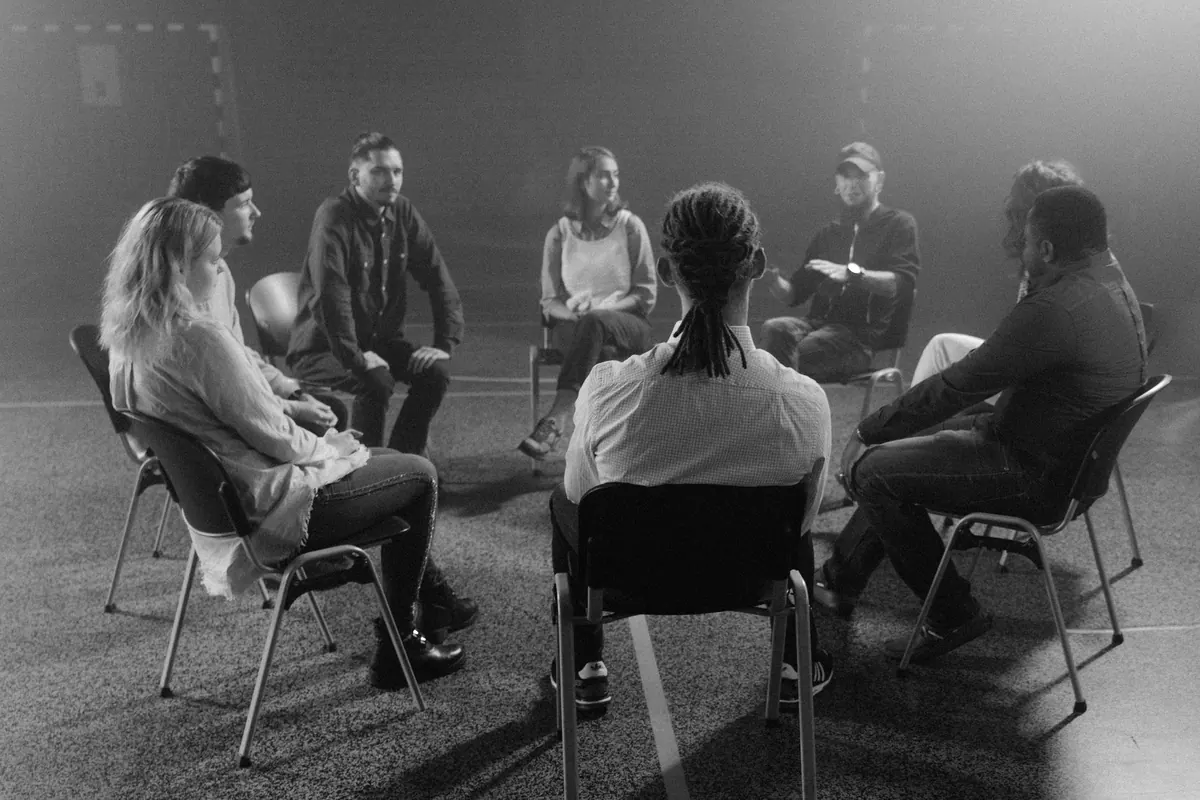
A small group trades the efficiency of the classroom for the messiness of a living room. Eight to twelve people, a meal, prayer, a passage of Scripture, and enough unhurried time for someone to say what is actually going on. This is where confession happens, where a marriage gets prayed for, where a member notices you have missed two weeks in a row.
The costs are real. Groups need hosts with space, facilitators willing to be trained, and a church culture where a midweek commitment is normal rather than heroic. Shift work, long commutes, and sports calendars shrink the pool. Groups also rise and fall faster than classes: a few strong leaders can plant several groups in a year, and a few weak ones can drain the ministry just as quickly.
The Four Differences That Matter Most
Most of the debate comes down to four practical distinctions.
- Format. Sunday school is classroom-shaped: a teacher, a curriculum, a lesson to cover. A small group is discussion-shaped: a facilitator, a passage or topic, and whatever people bring through the door with them.
- Schedule. Sunday school rides the existing habit of corporate worship. Groups ask for a second commitment, usually on a weeknight, and pay for it in attendance swings during busy seasons.
- Leadership. Teaching a class requires preparation and some comfort with content. Leading a group requires listening, keeping time, following up, and the willingness to make an awkward phone call on a Tuesday.
- Depth of community. Sunday school builds familiarity and shared learning. Small groups build the kind of trust where someone calls you before they call the hospital. Neither happens automatically.
Do the Volunteer Math Before You Commit
Every model has a hidden cost, and it is usually people. If you want adult classes of twenty, you need a teacher and a backup for roughly every twenty adults. If you want groups of ten, you need a leader for every ten, plus hosts and childcare. Write the real numbers on a whiteboard. Then ask whether those names exist today or whether you are hoping they will appear after the launch.
Be honest about fatigue. Teachers often carry a fifty-two-week load. Facilitators who open their homes also carry hospitality, cleanup, and the emotional weight of the group. Rotating semesters, pairing co-leaders, and giving leaders the summer off are not signs of weak commitment. They are how the ministry survives past year three.
When Blending Makes the Most Sense
For many congregations, a blend is the honest answer. A few models that work:
- Sunday school for children and students, groups for adults. Kids need age-graded teaching; adults need a room where they can be known.
- Class for teaching, group for care. The Sunday class studies Scripture; the weekday group handles prayer, meals, and follow-up.
- One hour, two layers. A short teaching session on Sunday, then tables of eight discussing the text. Low barrier, less curriculum to prepare.
- Semester groups. Ten to twelve weeks in fall and spring with a clear end date. People who will not commit forever will commit to a semester, and leaders get breathing room between sessions.
Whatever you choose, keep the pastoral work visible. Announce new members by name. Celebrate baptisms and first-time prayers. Ask leaders what they are seeing, not just how many showed up.
How to Decide, and When to Revisit
Pick one model as your primary for the next twelve months and one as a supporting layer. Do not launch both at full strength at the same time.
- Name the goal in one sentence: what should a participant be able to do a year from now?
- Recruit and train leaders before you recruit members. Never announce a group you cannot staff.
- Run a ten-week pilot rather than a permanent relaunch. Pilots are easier to adjust and easier to end.
- Give leaders a written job description, a training session, and a clear off-ramp.
- Measure what matters: Are people praying for one another? Serving? Inviting friends? Attendance alone will mislead you.
- Review in six months with your leaders, and change one thing rather than everything.
If your church is small, one model may be all you can sustain, and that is fine. A Sunday class before worship plus a single weekday group is a legitimate, faithful plan for a congregation of sixty.
Choose the model you can actually lead, staff, and keep going when the novelty wears off. Then give it enough time to bear fruit before you judge it.
Photo: Tima Miroshnichenko / Pexels