The Real Math Behind Slots, Poker and Your Betting Bankroll

Most people lose money at casinos for one boring reason: they never bothered to learn what the house edge actually does to a bankroll over time. Not bad luck. Not rigged machines. Just math running quietly in the background while you chase a jackpot screenshot for Instagram. If you play slots, poker, or sports betting even casually, understanding a handful of numbers will change how you spend, how long you last, and how much fun you actually get per dollar. Let's dig in.
Slots: The Simplest Game With the Worst Reputation
Slots get mocked by poker players, but they're the easiest game in the building to understand. Every spin is independent. The machine doesn't "owe" you a payout because it's been cold, and it isn't "hot" because someone just hit. That's the gambler's fallacy, and it's the single most expensive misconception in a casino.
What actually matters is RTP, or return to player. A slot with 96% RTP returns 96 cents per dollar wagered over millions of spins. That sounds fine until you do the math on a session. Spin $1,000 worth of volume (easy to do at $2 per spin over an evening) and the expected loss is $40. Bump that to 10,000 spins and you're looking at real money.
Here's the practical breakdown of what separates good slot sessions from bad ones:
- Volatility matters more than RTP for entertainment length. A high-volatility slot might pay 96.5% RTP but deliver it in rare, huge hits. Low volatility pays more often but smaller.
- Check the max bet for the top jackpot. Many progressive jackpots only pay the big prize if you're playing max coins. Read the paytable, not the flashing lights.
- Bet size relative to bankroll. A common rule: your bankroll should cover at least 100 spins at your chosen stake. $200 bankroll means $2 spins, not $10.
None of this makes slots a smart investment. But if you're going to play, play with eyes open. The entertainment value is the product. The payout is a bonus.
Poker Is the Only Casino Game Where Skill Changes Everything
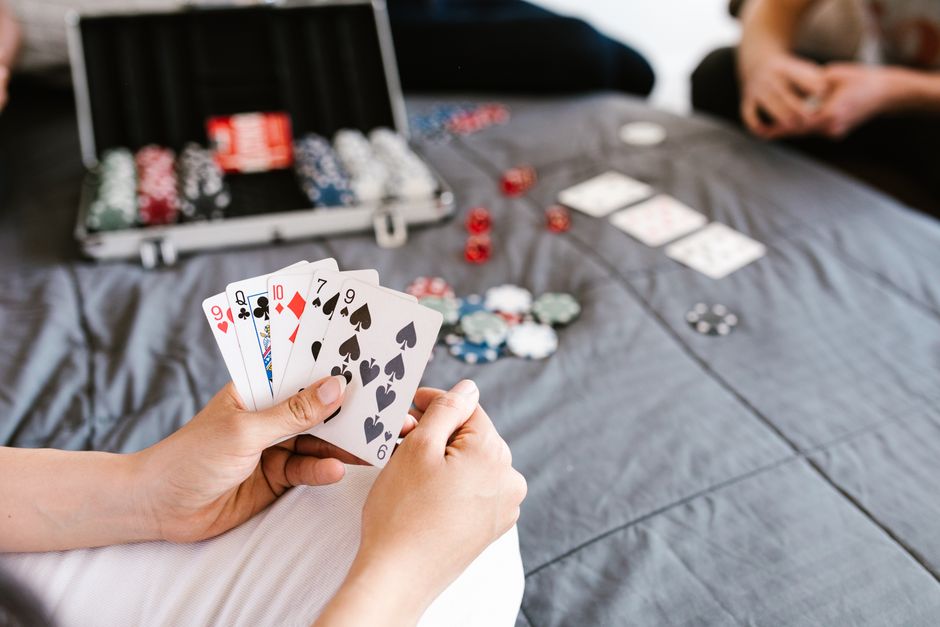
Here's the thing that separates poker from every other game in the building: you're not playing against the house. You're playing against other people, and the house just takes a rake. That means a skilled player can actually be profitable long-term. No slot machine will ever offer that. Readers looking for specifics may like สล็อต.
But "skilled" is doing a lot of heavy lifting in that sentence. The gap between a break-even player and a losing one is usually one or two specific leaks. Common ones I see over and over:
- Playing too many starting hands. In a full-ring no-limit game, a disciplined player folds preflop more than 75% of the time.
- Not understanding position. The button acts last on every post-flop street. That single seat is worth more than any hand chart.
- Paying off obvious value bets. If a tight player raises the river, your one-pair hand is almost never good.
- Ignoring bankroll management. Even a winning player goes broke with a 10 buy-in bankroll and normal variance.
If you're new, start with low-stakes tournaments rather than cash games. The rake is baked into the buy-in, the payout structure is fixed, and you can't lose more than you paid to enter. It's the cheapest poker education available.
Sports Betting: Where the Margin Lives
Sports betting feels more intellectual than slots, and in some ways it is. You're weighing information, reading injury reports, and finding value. But the vig, also called the juice or the margin, is what most bettors underestimate.
A standard spread bet is priced at -110 on both sides. That means you risk $110 to win $100. The implied probability of each side is roughly 52.4%, so the two sides add up to 104.8%. That extra 4.8% is the sportsbook's edge. To break even long-term at -110, you need to win 52.4% of your bets. Not 50%. That's a meaningful difference over hundreds of wagers.
Two things help more than anything else:
- Shop lines. Different books offer different prices on the same game. Getting -105 instead of -110 over 500 bets saves real money. Line shopping is the closest thing to a free edge a recreational bettor gets.
- Avoid parlays as a strategy. They're fun, and the payout is seductive, but combining legs multiplies the house edge. A four-leg parlay at standard pricing carries an edge of roughly 20% against you.
Sharp bettors focus on a small number of markets they know well: one sport, one league, maybe even one team. Spreading your attention across every game on the board is a recipe for mediocre picks.
The Bankroll Rules That Actually Work
Bankroll management is the least exciting topic in gambling and the one that separates players who last from players who reload their deposit three times in a weekend. The fundamentals are simple, and they apply across all four games we've discussed.
- Separate gambling money from real money. Rent money and bet money should never share an account.
- Set a session stop-loss before you start. Down 30%? Walk away. The table will still be there tomorrow.
- Set a win goal too. Locking in profit is a skill. So is knowing when the night has peaked.
- Track everything. A simple spreadsheet of deposits, withdrawals, and results over 3 to 6 months tells you the truth about your play.
If the tracking shows you're losing more than you're comfortable with, that's information, not failure. Adjust stakes, switch games, or take a break entirely.
Why This Knowledge Makes the Games More Fun
There's a strange idea floating around that knowing the math ruins the experience. The opposite is true. Once you understand that slots are pure entertainment, you stop chasing losses and start enjoying the spin. Once you understand the vig, you stop treating every bet like a coin flip. Once you understand poker variance, you stop tilting after a bad beat.
The house always has an edge in the long run. That's how casinos, sportsbooks, and poker rooms keep the lights on. Your job isn't to beat the math. It's to understand it well enough to decide how much you're willing to pay for the thrill, and to make sure that number never touches money you actually need. Play deliberately, play within your means, and the games stay exactly what they should be: a night out, not a financial plan.
If you take one thing from this article, make it this: learn one game deeply instead of dabbling in four. Depth beats breadth every time, whether you're grinding micro-stakes poker or building a disciplined sports betting model. The players who last are the ones who respect the numbers.